The Timeless Allure of Pixie Haircuts: A Modern Guide to Effortless Style
Few hairstyles carry the same blend of boldness, practicality, and sheer femininity as the pixie cut. For decades, pixie haircuts have symbolized a woman’s freedom to define beauty on her own terms. From Audrey Hepburn’s iconic gamine crop to the edgy, textured versions seen on today’s red carpets, the pixie remains a statement of confidence and ease. Whether you’re considering your first chop or looking to refine your current style, this guide explores everything you need to know about pixie haircuts—from face shapes and styling techniques to maintenance and the psychological boost that comes with shedding long locks.
Why Pixie Haircuts Continue to Captivate
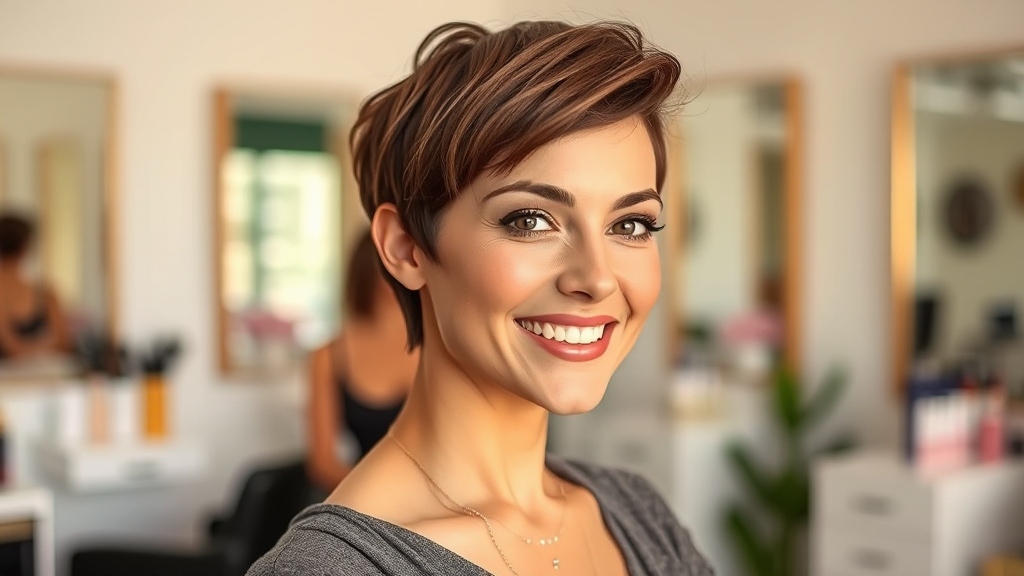
There’s something undeniably magnetic about a pixie cut. It frames the face, highlights the eyes, and draws attention to your best features. Unlike longer styles that can often overwhelm a petite frame or fine hair, a pixie adds the illusion of volume and structure. It’s a style that says, “I woke up like this—but I also put in the effort.” The versatility of pixie haircuts is another reason for their enduring popularity. You can wear it sleek and polished for a boardroom meeting, tousled and beachy for a weekend brunch, or spiked with product for a night out. The options are nearly limitless, making it a favorite among women of all ages.
Finding Your Perfect Pixie: Face Shapes and Features
One of the most common misconceptions about pixie haircuts is that they only suit certain face shapes. In reality, with the right adjustments, a pixie can flatter almost anyone. The key is to work with your facial structure rather than against it.
Round Faces
For round faces, the goal is to add height and length to elongate the face. A pixie with extra volume at the crown—often called a “tall” or “lifted” pixie—works beautifully. Avoid too much fullness on the sides, which can make the face appear wider. Instead, keep the sides slightly tapered and let the top take center stage.
Oval Faces
If you have an oval face, consider yourself lucky. Almost any pixie variation will suit you, from a classic crop to a choppy, textured style. You can experiment with bangs, asymmetry, or even a longer, shaggy pixie that brushes the nape of the neck.
Square Faces
Square faces benefit from softness around the jawline. A pixie with side-swept bangs or wispy layers that graze the cheekbones helps to soften angular features. Avoid blunt, heavy bangs that cut straight across the forehead, as they can make the jaw appear even stronger.
Heart-Shaped Faces
For heart-shaped faces, the focus is on balancing a wider forehead with a narrower chin. A pixie with side-swept bangs and volume around the ears creates a lovely equilibrium. Longer, textured pieces near the nape can also add fullness to the lower part of the face.
Pixie Haircuts for Fine Hair: A Match Made in Heaven
If you have fine hair, you’ve likely struggled with limp, flat styles that refuse to hold volume. This is where pixie haircuts truly shine. Because the hair is cut short, it requires less weight to pull it down, allowing natural body and movement to emerge. Layers are your best friend—they create the illusion of density and texture. A pixie with choppy, razored ends adds instant grit and fullness. Even better, you can use volumizing mousses and texturizing sprays to boost your roots and create that coveted “bedhead” look. For older women with fine hair, a pixie is particularly liberating. It eliminates the need for constant styling and can make thinning hair appear far thicker than it is. The result is a youthful, energetic appearance that requires minimal effort.
Styling Your Pixie: From Sleek to Spiky
One of the joys of a pixie cut is how quickly it can be transformed. With just a few products and tools, you can switch up your look in minutes. Here are some styling ideas to keep your pixie fresh and exciting:
- Sleek and Sophisticated: Apply a smoothing serum to damp hair and blow-dry with a round brush, directing the hair away from your face. Finish with a light hairspray for a polished, shine-forward finish.
- Tousled Texture: Scrunch a texturizing sea-salt spray into damp hair and let it air-dry. Once dry, use your fingers to mess up the roots for that effortless, “I just rolled out of bed” vibe.
- Spiked and Edgy: Work a small amount of styling wax or clay between your palms and run them through the top sections of your hair, pulling upward to create spikes. This is perfect for concerts or nights out.
- Accessorize: Headbands, clips, and scarves can add a playful touch to a pixie. A velvet headband instantly elevates the style, while a simple bobby pin can keep bangs out of your face on busy days.
Maintenance and Growth: What to Expect
Pixie haircuts are often praised for their low maintenance, but they do require regular trims to maintain their shape. Depending on how fast your hair grows, you’ll likely need a visit to the salon every four to six weeks. This keeps the lines crisp and prevents the style from becoming shaggy or overgrown. If you’re growing out a pixie, patience is key. The awkward “in-between” stage can be frustrating, but there are ways to navigate it. Use headbands, clips, and hair gel to tame unruly sections. You can also ask your stylist to shape the growing-out phases into a bob or a shag, which makes the transition easier. Many women find that the pixie is so flattering that they decide to keep it for years, only occasionally experimenting with length.
The Confidence Boost of a Pixie Cut
There’s no denying the psychological impact of a dramatic hair change. Chopping off your hair is a bold move that often brings a surge of confidence and self-assurance. It’s a way of saying, “I’m ready for something new.” Pixie haircuts have long been associated with strong, independent women—think of figures like Mia Farrow, Halle Berry, and more recently, Zoë Kravitz. When you wear a pixie, you’re not just following a trend; you’re making a statement about your personality. The ease of styling also frees up time in your daily routine, giving you more minutes to focus on what truly matters. Many women report feeling lighter, more adventurous, and even more empowered after their chop. It’s a transformative experience that goes beyond mere aesthetics.
Choosing the Right Stylist and Products
Because pixie haircuts are so precise, choosing the right stylist is crucial. Look for someone who specializes in short hair and has a portfolio of pixie cuts you admire. During your consultation, bring reference photos and discuss your hair texture, lifestyle, and willingness to style. A good stylist will tailor the cut to your unique features and needs. Once you have your pixie, invest in quality products designed for short hair. A lightweight shampoo and conditioner will keep your hair healthy without weighing it down. Styling products like pomades, waxes, and texturizing sprays are essential for creating different looks. Don’t be afraid to ask your stylist for product recommendations—they often have insider knowledge about what works best for your specific hair type.
Pixie Haircuts in Popular Culture: A Brief History
The pixie cut has a rich history that reflects changing social attitudes toward women and beauty. In the 1920s, the bob was a revolutionary style, but it was in the 1950s that the true pixie emerged, thanks to icons like Audrey Hepburn. Her role in “Roman Holiday” introduced the world to a chic, elfin crop that captured the imagination of women everywhere. The 1960s saw the style embraced by Twiggy, whose exaggerated lashes and tiny cut defined the mod era. In the 1990s, the pixie was reinvented with grunge-inspired textures, and in the 2000s, celebrities like Victoria Beckham brought it back into the spotlight with sleek, polished versions. Today, the pixie continues to evolve, with modern variations that include undercuts, pixie bobs, and curly pixies. Its longevity is a testament to its versatility and timeless appeal.
Frequently Asked Questions About Pixie Haircuts
Will a pixie cut make me look older?
Not necessarily. It depends on the cut and how you style it. A well-executed pixie can actually make you look younger by highlighting your eyes and cheekbones. Adding soft layers and avoiding overly severe lines can keep the look fresh and youthful.
Can I get a pixie if I have curly hair?
Absolutely! Curly pixies are gorgeous and full of personality. Your stylist can work with your natural texture to create a shape that frames your face beautifully. Be prepared for the cut to shrink when your hair dries, so discuss this with your stylist beforehand.
How long does it take to grow out a pixie?
Growing out a pixie typically takes about six to twelve months to reach a bob length, but it depends on your hair growth rate. Regular trims during the process can help shape the hair and make the transition more manageable.
What products are essential for a pixie cut?
Key products include a volumizing mousse or spray, a texturizing paste or wax, and a lightweight hairspray. A good heat protectant is also important if you use hot tools. Your stylist can recommend specific brands based on your hair type.
How often should I wash my pixie?
It depends on your hair type and lifestyle. Some women wash daily, while others find every other day works better. Over-washing can strip natural oils, leaving your hair dry. Listen to your hair and adjust accordingly.
Final Thoughts
Pixie haircuts are more than just a hairstyle; they’re a lifestyle choice that embodies confidence, practicality, and a touch of rebellion. Whether you’re drawn to the classic elegance of a 1950s crop or the modern edge of a textured pixie, there’s a version for everyone. With the right cut, styling products, and a skilled stylist, you can enjoy a look that’s both low-maintenance and high-impact. So, if you’ve been toying with the idea of going short, take the plunge—you might just discover your most empowered self. And remember, the best pixie haircuts are the ones that make you feel beautiful, confident, and utterly yourself.